
The vision of running a small, quiet crypto mining rig to generate passive income is appealing. Crypto mining: the process of validating cryptocurrency transactions and adding them to the blockchain is essential for the security of networks like Bitcoin. It’s a specialized, energy intensive, and highly competitive process that rewards miners with cryptocurrency for their efforts.
However, the question every South African must ask is: Is crypto mining profitable in South Africa today and in the future? Due to factors unique to the local economy, the true profitability landscape is challenging. This guide provides a definitive answer, exploring the cutting-edge trends in crypto mining and viable passive income alternatives for the savvy South African investor.
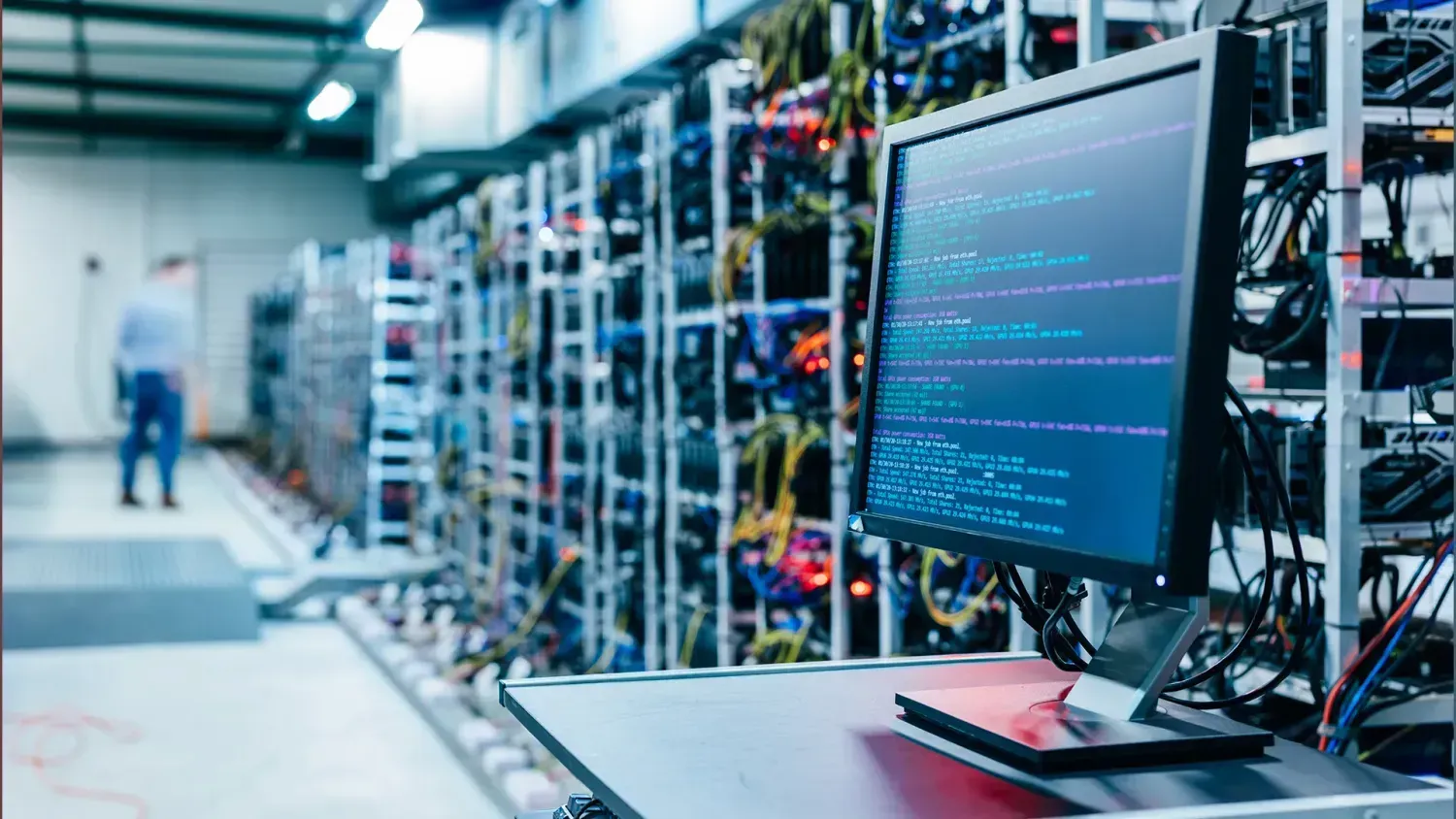
The Challenge: Crypto Mining Profitability in South Africa
The primary roadblock to crypto mining profitability in South Africa is the cost and reliability of power. While mining can be profitable globally, Africa and North America have average mining costs per Bitcoin that are significantly higher than cost-efficient regions like Asia.
Factors That Affect Profitability
The equation for whether or not crypto mining is still profitable hinges on three major variables. In the South African context, the electricity cost component is often the deciding factor.
Cost of Electricity: Electricity expenses play a crucial role as mining operations consume substantial power. South African electricity costs are generally much higher than global industrial averages. For example, the cost of mining one Bitcoin at U.S. grid average rates can exceed $100,000, illustrating how thin the margin is before factoring in higher South African tariffs.
Price of Cryptocurrency: The higher the price of cryptocurrency (e.g., Bitcoin, Ethereum Classic), the more revenue miners earn, making mining more profitable.
Difficulty of Mining: The difficulty of mining constantly increases as more miners join the network. This continuous upward trend makes it increasingly difficult and less profitable for smaller operations.
The Impact of Network Difficulty and Halving
The difficulty factor is compounded by scheduled events like the Bitcoin Halving. Post-Halving, the reward per block is cut in half, forcing miners to dramatically improve efficiency or risk becoming unprofitable.
Higher Energy Requirement: As hashrate surges globally, the energy required to mine a single Bitcoin can increase exponentially, pushing the break-even line higher and further pressuring profits for those paying high electricity rates.
Economic Pressure: This economic pressure forces operators to either dramatically improve efficiency or shut down entirely. This is why many small-scale South African miners find their operations unsustainable.
Will Crypto Mining Be Profitable for Small-Scale Operations?
Crypto mining in South Africa has evolved far beyond the days of home-based GPU farms. Will crypto mining be profitable for the average individual investor in the future? Generally, no, unless very specific conditions are met.
The Advantage of Large-Scale Operations
The current state of the crypto mining market is highly centralized. Large-scale mining operations dominate the market and have a significant advantage over small-scale miners.
Economies of Scale: Massive mining farms operate globally, utilizing specialized contracts for ultra-cheap electricity, sometimes as low as $0.04 per kWh.
Hardware Efficiency: These companies purchase the newest generation of ASIC miners (like the S21), which reach record-setting energy efficiency (low Joules per Terahash). Small-scale miners cannot compete with these efficiency and cost structures.
Mining Pools: However, small-scale miners can still generate some revenue by mining smaller cryptocurrencies or by joining a mining pool. Mining pools allow miners to combine their hash power, which increases their chances of earning block rewards.
The Role of Efficient, Modern Hardware
For a small-scale operation to have any chance of profitability, the hardware must be highly efficient.
ASIC vs. GPU: ASIC miners (Application-Specific Integrated Circuits) now dominate Bitcoin mining due to their superior efficiency. GPU mining remains viable for altcoins like Ethereum Classic and Ravencoin, but profits are volatile.
Cloud Mining: Cloud mining services allow you to participate in crypto mining without the need to purchase or maintain expensive hardware. This offers a potential for a steady passive income stream by renting remote hash power.
Sustainable Mining: The Future in South Africa
One of the biggest challenges facing crypto mining globally is the energy consumption issue. The future in South Africa hinges on the integration of mining with renewable energy.
Renewable Energy Solutions
Miners are increasingly under pressure to demonstrate sustainable practices.
Solar Power: For South African miners, alternative sources like solar power can provide access to cheaper electricity. This allows small-scale miners to reduce their biggest operational cost.
Community Impact: Innovation is occurring across Africa, where mining companies are partnering to use excess energy from renewable sources (like mini-grids in Zambia) to generate revenue, which can help subsidize electricity costs for nearby communities.
Strategic Mining and Grid Flexibility
Some experts believe crypto mining could actually stabilize the national grid.
Flexible Buyer: Mining operations can act as a flexible energy buyer, purchasing surplus power during off-peak times or from renewable sources that produce variable power (like wind or solar).
Monetizing Surplus: By acting as an anchor tenant for microgrid development, miners can turn previously wasted or surplus power into revenue, laying the foundation for local electrification.
Explore Passive Income Alternatives to Mining
For the average South African entrepreneur, the complexity, high capital cost, and risk associated with energy consumption make direct crypto mining a poor source of passive income.
Fortunately, there are several highly profitable passive income alternatives that leverage digital assets without specialized, energy-intensive hardware:
Crypto-Specific Passive Income
These methods leverage your existing crypto holdings to generate rewards.
Staking: This is the most popular method for generating passive income due to its relatively low risk. It involves holding and locking up cryptocurrency (like Ethereum) to support the security and operations of a Proof-of-Stake network in exchange for annual rewards.
Yield Farming and Liquidity Pools: These strategies involve providing liquidity to decentralized finance (DeFi) platforms. By contributing assets to a liquidity pool, you earn rewards and interest, allowing you to generate substantial passive income from transaction fees.
Crypto Lending: You can earn stable and predictable interest income by lending your crypto assets to borrowers via decentralized or centralized platforms.
Low-Risk Investment Alternatives
The most stable forms of passive income still come from traditional investment strategies that utilize local platforms.
Dividend Stocks and ETFs: Investing in dividend-paying stocks or Exchange Traded Funds (ETFs), such as the Satrix Divi Plus ETF, offers a steady stream of dividend income from JSE-listed companies.
Rental Income via EasyProperties: Platforms like EasyProperties allow you to invest small amounts into property and receive quarterly rental dividends without the massive capital outlay and management hassles of traditional property ownership. START YOUR JOURNEY WITH EASY PROPERTIES
Affiliate Marketing: This is the ideal strategy that complements your BLOG. Promote crypto exchanges or investment tools and earn cash back on every sign-up or sale.
How To Get Started With Non-Mining Crypto Income
While crypto mining may not be profitable for most in South Africa in the future, building passive income streams through other crypto assets is highly accessible. Focus on diversification and leveraging existing assets.
If you are interested in getting started with non-mining crypto income, the steps are much simpler than setting up a mining rig:
Purchase Assets: Buy Bitcoin or Ethereum using ZAR via EFT transfer.
Deploy for Income: Research and choose a secure method, whether it’s STAKING on a network or contributing to a lending pool to put your assets to work.
Do your research and consult your financial adviser to decide on your risk tolerance and financial goals before making any investments.
General Disclaimer: Your Growth Compass is an educational and informational platform, not a registered financial advisory service. All cryptocurrency and investment information provided is for educational purposes only. Bitcoin and other digital assets are highly volatile and inherently risky. We are not liable for any financial losses, profits, or investment decisions you make. Always conduct your own due diligence or consult a certified financial professional before investing
Latest Articles



© 2025 Your Growth Compass SA All Rights Reserved